
By Alex Hutchings, Greenwoods Legal LLP
Let’s face it, people are getting tired of their online orders being dumped behind the bins or delivered to a neighbour who definitely isn’t in; more and more, the simple pleasure of popping down to the high street is making a comeback. With talk of pedestrianising The Nation’s High Street gathering pace, there’s real momentum behind bricks-and-mortar business. If you’re thinking of opening a shop, cafe, restaurant, or co-working space on the high street, here are five tips to make sure your next launch is a hit.
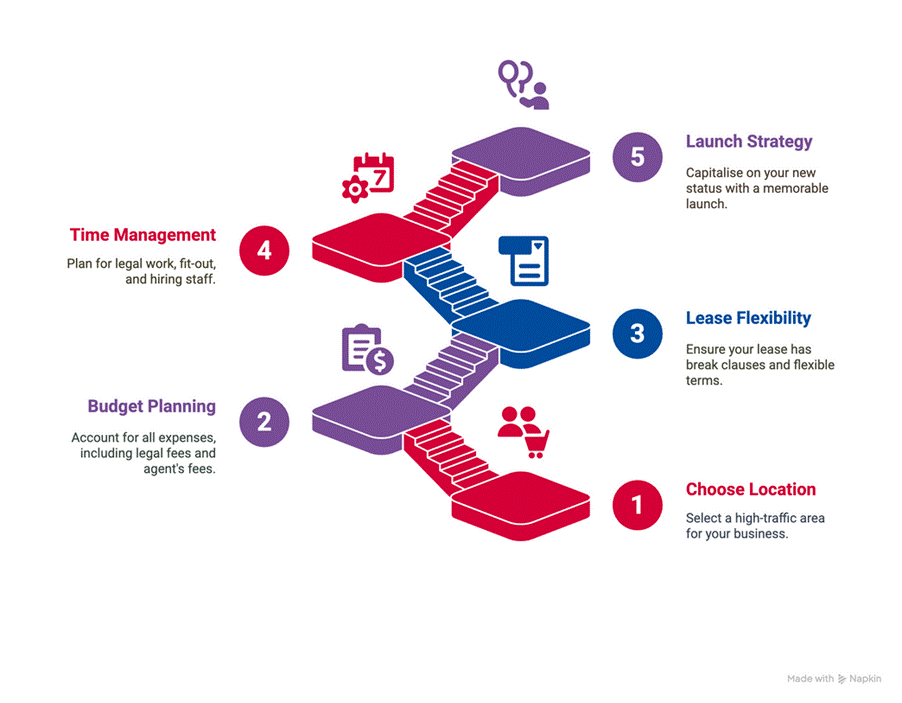
1) Location, location, location
Whilst we might sound like Kirstie and Phil, location matters, you used to be able to pick an off-pitch location, and people would seek you out!
Whilst it may sound obvious, people need to be able to find you, but you should also look at WHO is around you. Where does your target demographic shop? What other stores do they tend to visit? Can you co-locate so you all benefit from footfall and each other’s marketing?.
Spend time in your ideal location, count the footfall, research the customer demographic: are they “your” people? Card spend and heat map data can be invaluable, bringing a data-led approach to the search.
Once you’ve found “the spot,” you need to speak to the Landlord – a good agent is worth their weight in gold here. Firstly, they probably know the Landlord (or their agent) so having the conversation becomes much easier. Secondly, they’ll also have market intel regarding comparable rents and any likely incentives a Landlord might offer.
2) Budget for everything
We really are starting to sound like your parents here…but if you budget correctly, decisions become much easier and you won’t have to compromise on the end product!
Depending on how you want to structure your retail holdings and your risk appetite, you’ll typically need to budget for;
- Legal fees (including third-party costs and VAT)
- Searches
- SDLT (depending on the rent and the term of the Lease)
- Rent
- Service Charge
- Insurance Rent
- VAT
- Rent Deposit (start at six month’s rent plus VAT)
- Business Rates
- Marketing
- Agents’ fees
- Fit out costs
- Stock
- Staffing
- Wages
- EPOS systems
Write it all down and keep an eye on the receipts as they come in.
3) Be flexible
Your lawyer needs to build as much flexibility into the lease as possible, make sure user clauses are open to allow you to adapt to market conditions and business needs. Do you sign up for a 10 year lease or look at putting in a break clause midway through to give you options in case you outgrow the space or things aren’t going as expected. Can you link rent reviews to RPI or cap your service charge liability?
If you don’t ask, you don’t get!
4) Timing
You just want the keys and time kills deals…it’s in everyone’s interest to get the transaction over the line as soon as possible but you need to set realistic timeframes to ensure you can hit your planned opening date. A typical transaction, assuming it’s straight to lease, will take between 6-8 weeks once papers have landed with your lawyer.
You’ll also need to factor in the time it will take to find the “right” site and your fit out, typically 4-6 weeks for more retailers. That means from having your offer accepted to opening could be 3 ½ months. If you want to open in time for the Christmas trade you need to have papers with your lawyer by August so you’re not opening up mid-December.
You also need to allow enough time to hire and train staff – sometimes easier said than done!
5) Maximise the first three months
The first three months tend to be key, you’re the hot new concept on the block and typically that comes with a spike in interest and footfall.
There’s been a recent shift to grand openings with the likes of Miniso, Sephora, Sostrene Grene and PureSeoul all maximising the opening day buzz. Queues out the door and down the street look great on social media and create excitement and intrigue.
Plan for a proper launch, consider opening offers, exclusive products or giveaways and then think how the store can work for your community. Can you hold events? Are your target customers health conscious individuals who would love to join a running club starting at your store?
Events and community engagement will drive organic social media content meaning your store is regularly in your customers’ social feed.
Time to make it happen:
Opening a physical store or expanding is an exciting step for any retailer but if you focus on the points above it should set you up for success.
The Real Estate team at Greenwoods Legal LLP specialise in helping retailers and restaurateurs with all their property needs.
If you are looking at opening your next store and want to see how we could assist then feel free to get in touch and let’s grab a coffee.
Alex Hutchings, Partner and Head of Real Estate, Greenwoods Legal LLP
amhutchings@greenwoods.co.uk
